Let’s keep in touch!
The latest news of the Metis Fund, delivered straight to your inbox!

‘People will forget what you said, they’ll forget what you did, but they’ll never forget how you made them feel.’ MAYA ANGELOU


Transforming waste collected on beaches into artworks that support the conservation of an iconic marine species—the sea turtles nesting on the beaches of São Tomé—seems to be a winning bet for the NGO Programa Tatô. Its premise: engaging local communities in São Tomé so they can contribute to the conservation of sea turtles while strengthening their pride and supporting sustainable tourism.

Five Sea Turtles Showing the Way
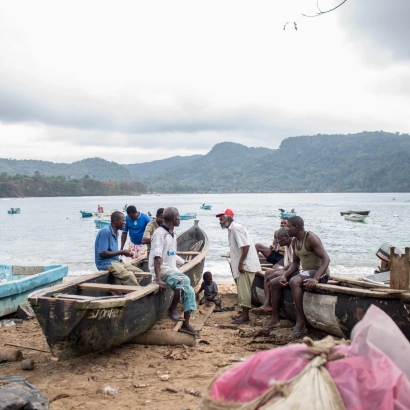
The island of São Tomé is home to five species of sea turtles, four of which nest on its beaches (the green turtle, hawksbill turtle, olive ridley turtle, and leatherback turtle). However, these species are increasingly threatened by poaching, habitat destruction, and marine pollution. Not only does the accumulation of waste—particularly along the coasts—disrupt fragile marine ecosystems, it also affects the livelihoods of local fishing communities. Programa Tatô, an NGO specializing in sea turtle conservation, works to protect these threatened species while promoting environmental education and supporting local populations through sustainable initiatives.
sculptures representing the island’s sea turtle species, created from waste collected on the beaches
island residents impacted by the project
workshops on beach clean-ups and turtle sculpture creation
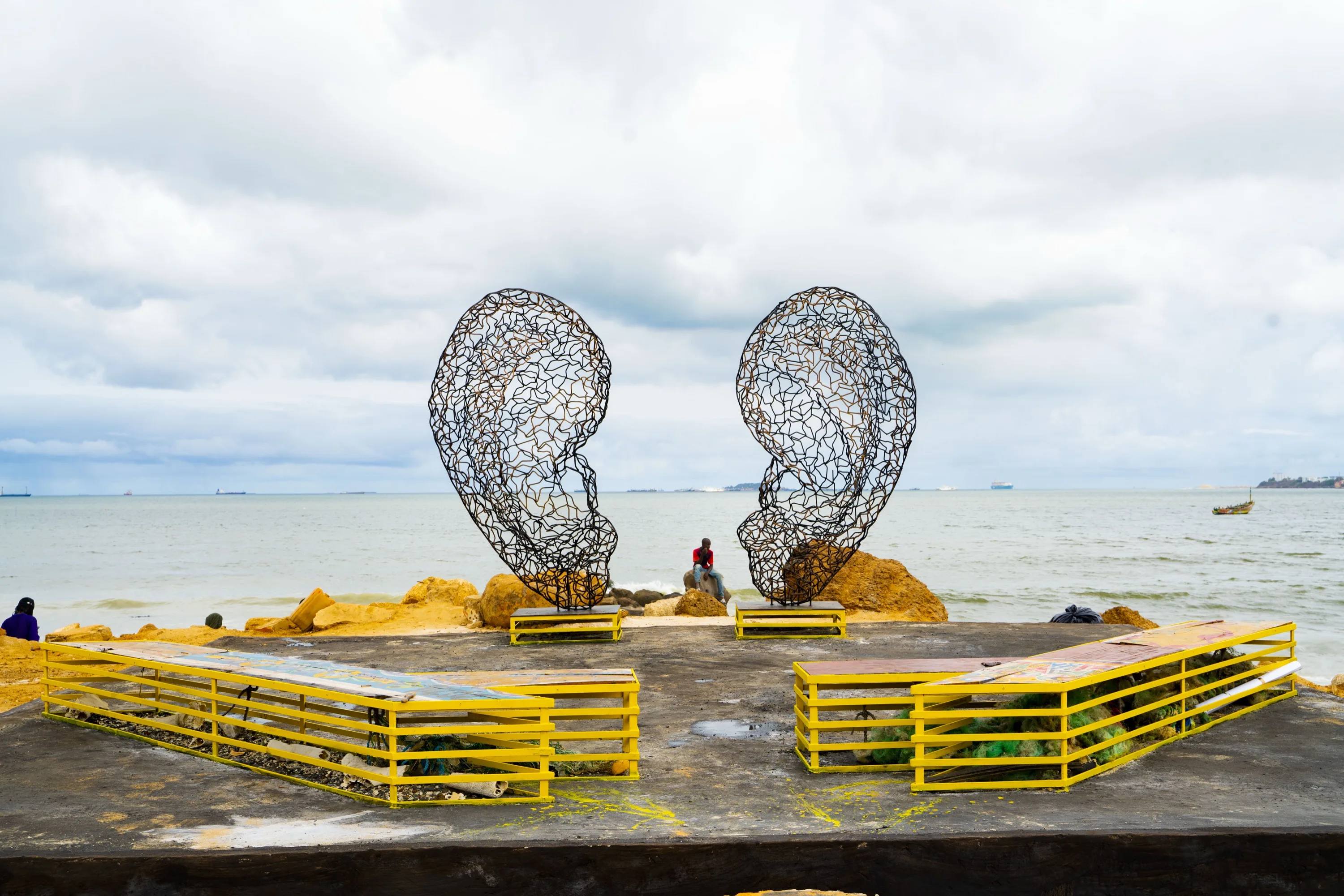
By creating sculptures from waste collected on the beaches, the project establishes a link between conservation and artistic expression. These sculptures, representing the island’s sea turtle species, are designed and built in collaboration with local artists, community members, and youth groups. The initiative involves organizing participatory workshops, co-creating sculptures, and publicly unveiling them in key nesting areas. Beyond their aesthetic and educational impact, these artworks form the foundation of a “Turtle Trail,” integrating conservation into local tourism and cultural heritage. By involving local communities in artistic storytelling and environmental advocacy, the project strengthens the connection between communities, biodiversity, and sustainable development.
The latest news of the Metis Fund, delivered straight to your inbox!
‘People will forget what you said, they’ll forget what you did, but they’ll never forget how you made them feel.’ MAYA ANGELOU